
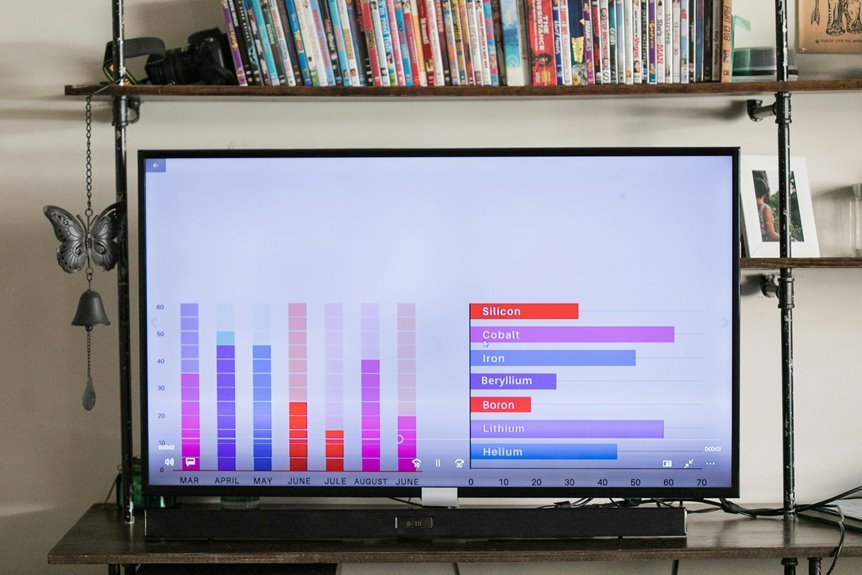
Tjvldrpdla: System Usage & Profile Metrics

Tjvldrpdla functions as a comprehensive system for tracking operational metrics and user profiles. Its design allows for meticulous examination of usage patterns and user engagement. This analysis reveals critical insights that can drive resource optimization and enhance user experience. Moreover, a focused assessment of profile metrics aids in identifying trends that can inform strategic decisions. The implications of these findings raise important questions about user autonomy and satisfaction in system performance.
Understanding Tjvldrpdla and Its Components
Tjvldrpdla serves as a complex system designed to facilitate various operational metrics and user profiles.
Its system architecture comprises multiple component functions that interact seamlessly, enabling efficient data processing and user engagement.
Each component is structured to optimize performance and adaptability, ensuring that users can navigate and manipulate their profiles effectively.
This intricate design reflects a commitment to operational freedom and user autonomy.
Analyzing System Usage Metrics
While examining the system usage metrics, it becomes evident that a detailed analysis is crucial for understanding the effectiveness of the Tjvldrpdla framework.
By scrutinizing system activity and identifying usage patterns, stakeholders can uncover insights that inform operational efficiency.
This understanding enables the optimization of resources, ensuring that the system aligns with user needs while fostering an environment that values autonomy and adaptability.
Leveraging Profile Metrics for Enhanced Performance
Utilizing profile metrics can significantly enhance the performance of the system by providing a comprehensive view of user interactions and preferences.
By analyzing these metrics, organizations can identify trends that facilitate performance optimization and boost user engagement.
This data-driven approach allows for tailored experiences, ultimately leading to improved satisfaction and loyalty among users, thereby fostering a more effective and responsive system environment.
Conclusion
In conclusion, Tjvldrpdla effectively harnesses system usage and profile metrics to drive operational efficiency and user satisfaction. For instance, a hypothetical case where a software company utilizes Tjvldrpdla to analyze user engagement data reveals that targeted feature enhancements based on identified trends can lead to a 30% increase in user retention. This illustrates the critical role of data-driven insights in fostering a responsive environment that not only meets user needs but also optimizes overall system performance.